Seawater electrolysis is becoming increasingly important as a strategic priority for the European Union, particularly in the context of energy independence and resilience. As highlighted by the President of the European Commission, Ursula von der Leyen, in the inaugural speech of this year’s EIC Summit:
“Today is about showcasing the extraordinary innovation happening across Europe […], innovators finding new ways to generate green hydrogen using seawater.”
This vision strongly reflects the direction in which Europe is moving: developing clean hydrogen technologies that reduce reliance on critical raw materials (CRMs) and avoid the use of pollutants and plastics, including fluorinated “forever chemicals” (PFAS), while enabling scalable and sustainable energy systems.
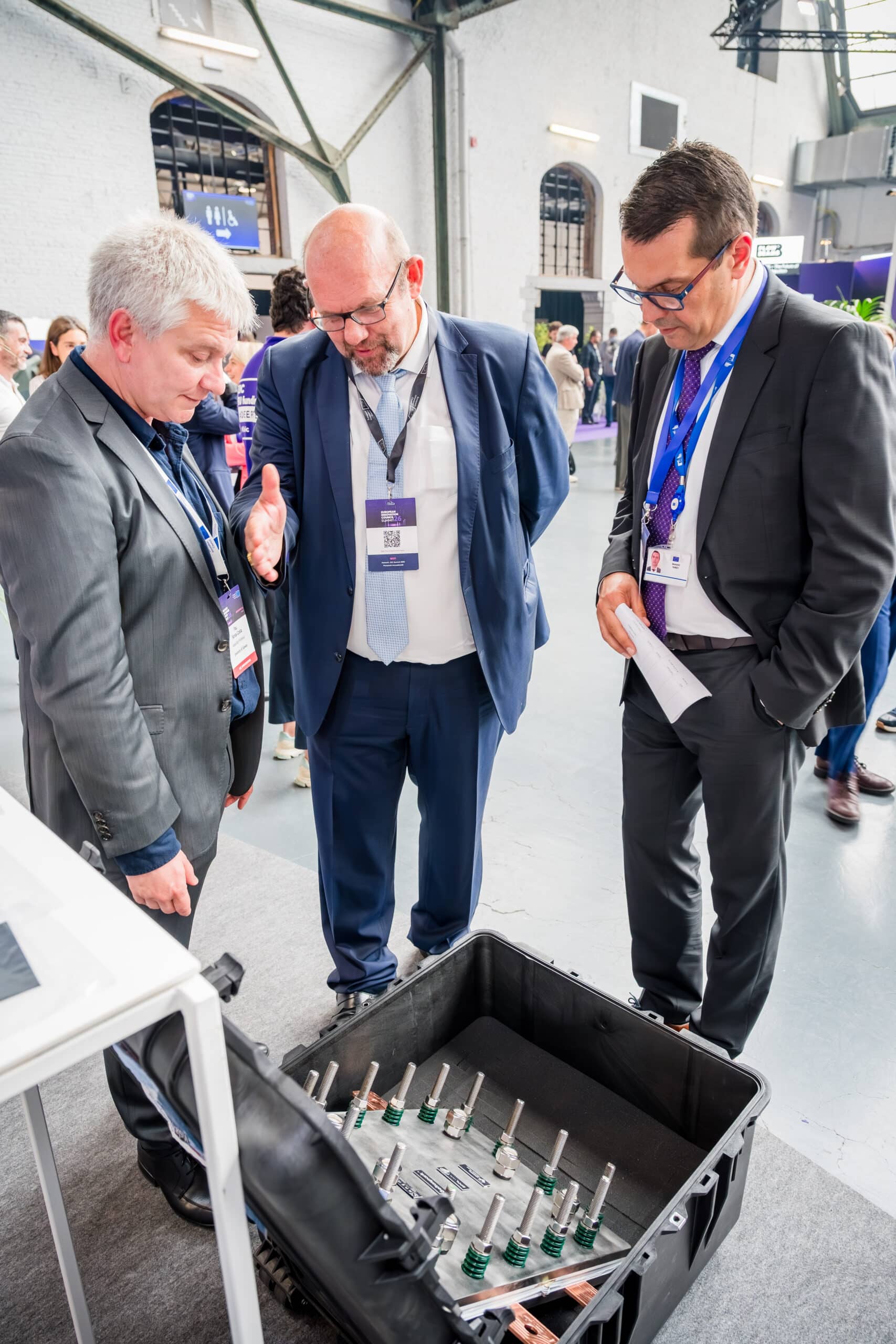
At this year’s EIC Summit, we were proud to showcase the success of ANEMEL, now approaching the final stages of it. The results on display demonstrated just how far we have arrived. We have achieved a fully integrated pilot electrolyser, advanced catalysts and membranes, and strong performance metrics, including over 2,000 hours of operation in AEM electrolyser systems using saline water.
“There’s a need for producing hydrogen from seawater and waste water to avoid competing for valuable resources, needed for human use. At ANEMEL, we laid a strong stepping stone towards solving this interesting scientific problem”, said our project coordinator and EIC Ambassador Pau Farràs. These results from EIC-funded project ANEMEL highlight not only technical feasibility, but also the robustness and maturity of the technology under real operating conditions, which is a key step towards scale up and commercialisation.
A particularly important aspect of ANEMEL is the ecosystem within the EIC funding programmes. Alongside the research consortium, the project already triggered the creation of two start-ups, NovaMea and Deltaspark, focused on the commercialisation of membrane and electrolyser technologies respectively. Thanks to the support for training, the innovations ideated within ANEMEL will easily scale up beyond the Pathfinder exploratory phase and into the next steps, including applications for the EIC Transition and Accelerator programmes and further scale-up and investment opportunities. All this is strongly reflected in this year’s EIC Impact Report, which highlights ANEMEL as a success story in the European ecosystem, the EIC is progressively transforming the EU into a “more mature innovation pipeline.”
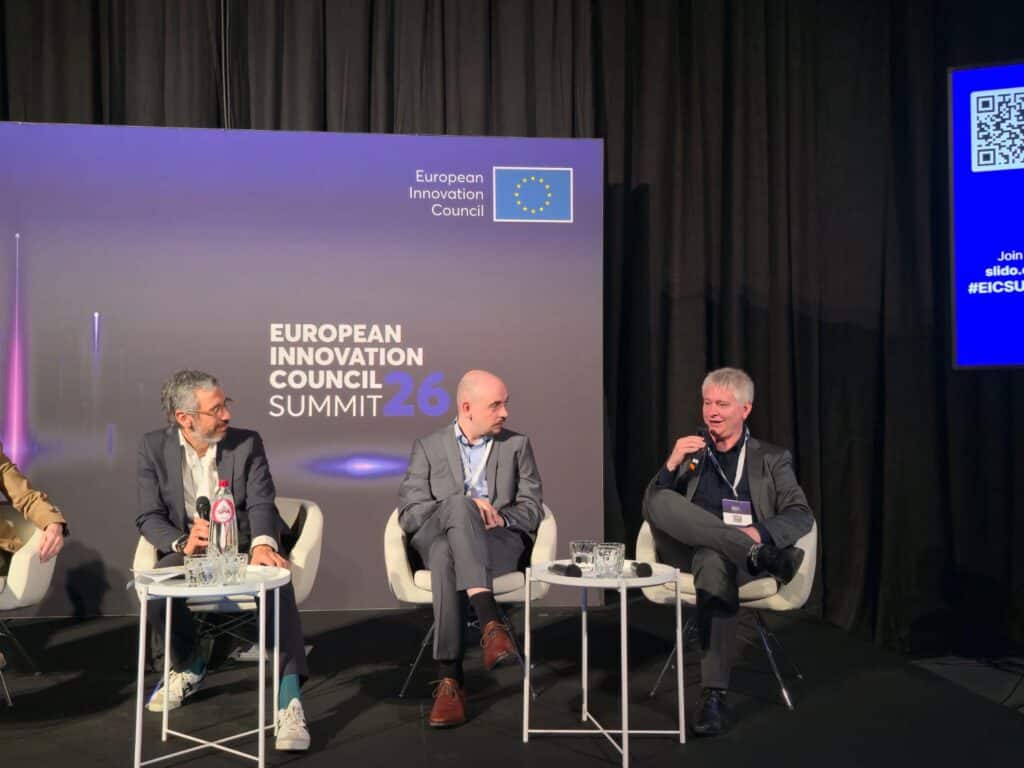
The ANEMEL booth at the summit proved to be an excellent platform to demonstrate the value of the EIC framework in accelerating deep-tech innovation. It enabled us to engage with potential customers, industrial collaborators, and investors – all essential stakeholders for bringing seawater electrolysis technologies closer to market deployment.
The EIC Summit 2026 once again demonstrated Europe’s commitment to supporting breakthrough technologies that can shape a more sustainable and independent energy future. For ANEMEL, it marked another important step in the journey from research excellence to real-world impact.